Top 9 agentic AI tools for small businesses and startups
From customer support to employee service, these agentic AI solutions help small teams automate workflows and scale with confidence.



Candace Marshall
Vice President, Product Marketing, AI and Automation
Última actualización el June 30, 2026
What is agentic AI?
Agentic AI refers to AI systems that can plan, make decisions, and take multi-step actions to achieve a goal with minimal human input. In service contexts, it can resolve customer issues or complete internal employee requests across systems. Unlike traditional automation, which follows fixed rules, agentic AI adapts to context and determines next steps—focusing on outcomes, not just executing instructions.
Empowering small businesses: How agentic AI drives scalability, automation, and operational efficiency
Small businesses don’t lack ambition, they lack capacity. Lean teams have to juggle customer support, internal requests, and daily operations, often relying on manual processes that don’t scale.
Agentic AI changes that. It can take on complex, multi-step tasks across customer and employee service, helping teams automate workflows, reduce response times, and operate more efficiently—without adding headcount.
The result is smarter scaling: faster resolutions, more consistent service, and systems that improve as your business grows. Here’s how agentic AI delivers these benefits—and how to choose the right solution for your business.
More in this guide:
- Benefits of agentic AI for small businesses and startups
- Agentic AI for small businesses and startups comparison chart
- 9 best agentic AI tools for small businesses and startups
- How to choose the best agentic AI solution for your small business
- Frequently asked questions
- Lead the next era of service with Zendesk agentic AI
Benefits of agentic AI for small businesses and startups
Agentic AI helps small businesses scale seamlessly by automating workflows across customer and employee service. Instead of relying on manual processes and disconnected tools, teams can move faster and deliver more consistent experiences. Here are the key benefits that make agentic AI a competitive advantage for growing businesses.
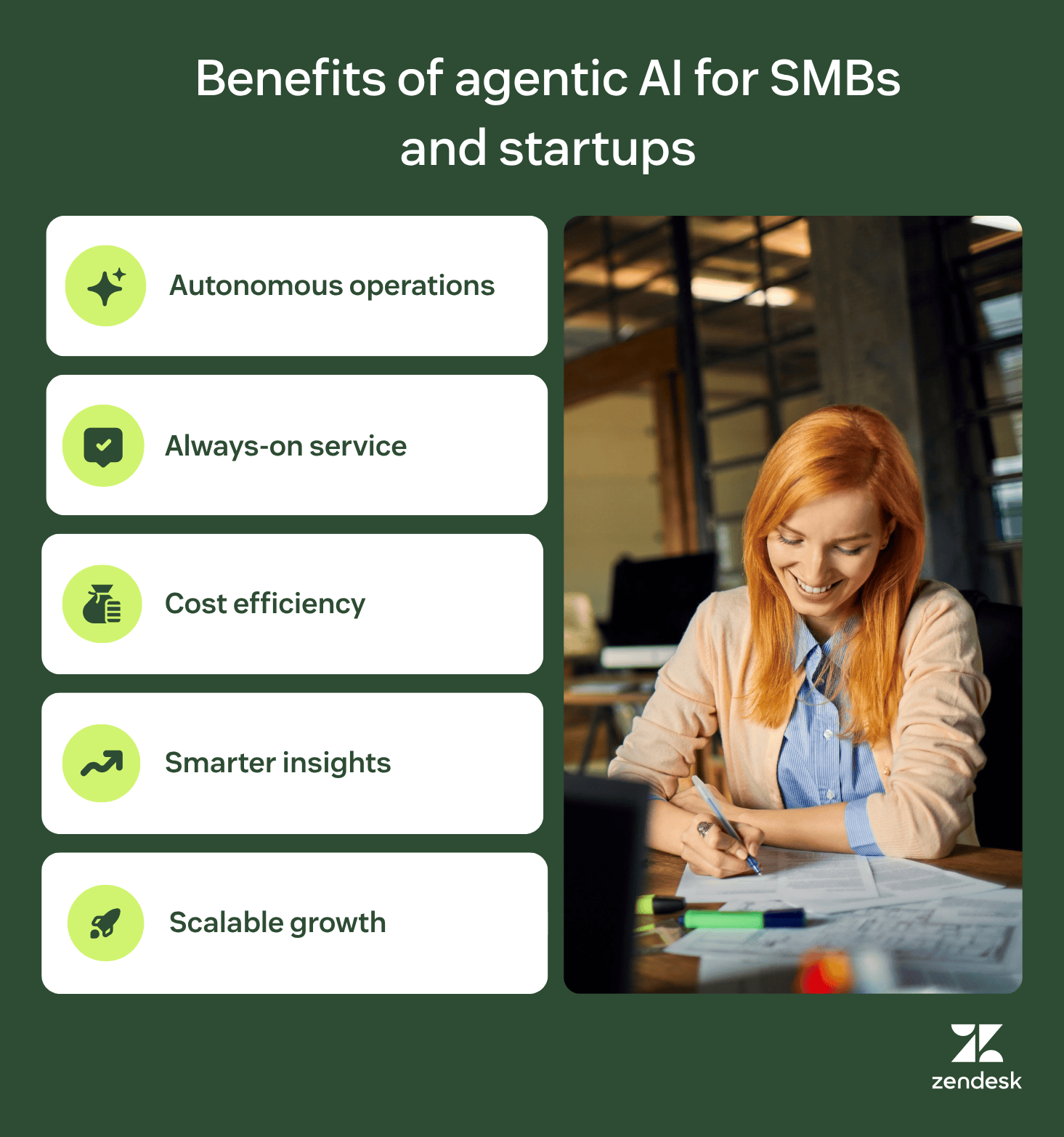
End-to-end autonomous operations
Agentic AI can manage entire service workflows from start to finish, without requiring constant human input. It can interpret a request, pull the right knowledge, take action across systems, and reach a resolution. This reduces the need for manual handoffs between teams and eliminates delays caused by fragmented processes.
For small businesses, that means fewer bottlenecks and more consistent service outcomes. Instead of stitching together tools and workflows, teams can rely on AI to execute tasks accurately and at speed. The result is faster resolutions, less operational overhead, and service that scales with demand.
Always-on customer experience and competitive speed
Agentic AI enables small businesses to deliver fast, personalized service around the clock. It can power advanced AI chatbot experiences that instantly resolve customer and employee requests, adapt to context, and maintain continuity across conversations without delays or handoffs. This reduces wait times and ensures every interaction feels timely and relevant.
For growing businesses, speed becomes a competitive advantage. Faster responses improve satisfaction, while consistent, always-on service helps teams keep pace with demand. The result is a more responsive operation that builds trust and keeps customers and employees engaged.
Structural cost efficiency and reduced operational friction
Agentic AI reduces operational costs by minimizing errors, rework, and delays across service workflows. By pulling from connected knowledge and following your business’ structured processes, it helps ensure requests are handled consistently and correctly the first time. This reduces the need for manual fixes, repeated interactions, and escalations.
For small businesses, that means fewer inefficiencies slowing teams down. Instead of relying on fragmented tools and manual coordination, AI streamlines execution across employee and customer service software. The result is smoother operations, lower overhead, and measurable gains in efficiency as demand grows.
Embedded intelligence for smarter growth decisions
Embedded intelligence helps small businesses turn everyday service interactions into actionable insights. Instead of relying on static reports, agentic AI continuously analyzes user and operational data to surface trends, identify gaps, and inform better decisions in real time. This makes it easier to forecast demand, improve workflows, and optimize service performance as the business grows.
For example, Zendesk AI agents are built into the Zendesk Resolution Platform. They connect knowledge, ticketing data, and QA to continuously improve outcomes across the service journey. By learning from every interaction, they help teams refine processes, strengthen knowledge, and increase resolution quality over time. This creates a system where insights don’t just inform decisions—they actively improve how work gets done.
Scalable growth with human capital leverage
Agentic AI allows small businesses to grow without adding operational complexity or headcount. By automating high-volume service tasks across customer and employee workflows, teams can handle more requests without increasing workload. This expands capacity while keeping operations lean and efficient.
At the same time, employees can focus on higher-value work. Instead of repetitive tasks, they’re free to spend more time on complex problem-solving, strategy, and customer relationships. The result is a more productive team, stronger service outcomes, and growth that scales with your business—not your org chart.
Agentic AI for small businesses and startups comparison chart
Compare the top agentic AI tools for small businesses and startups to find the right fit for your needs.
|
Software |
Best for |
Starting price |
Free trial |
|
Zendesk AI |
Resolution-first service at scale |
$19 per agent/month (billed annually) |
14 days |
|
Lindy |
No-code AI workflow automation |
$49.99 per month |
7 days |
|
Zapier |
No-code app integrations and automation |
$19.99 per month (billed annually) |
14 days |
|
Claude (Anthropic) |
Conversational AI and content generation |
$0 per agent (very limited activity) |
Free version available |
|
Ada |
Automating chatbot-led customer support |
Custom pricing |
14 days |
|
Beam AI |
AI-powered workflow automation and task execution |
Custom pricing |
14 days |
|
Tidio |
Small business live chat and chatbot support |
$32.50 per agent/month |
7 days |
|
Creatio |
Low-code CRM and workflow automation |
$25 per agent/month |
14 days |
|
Moveworks |
Automating internal employee support workflows |
Custom pricing |
30 days |
9 best agentic AI tools for small businesses and startups
- Zendesk AI: Best for resolution-first service at scale
- Lindy: Best for no-code AI workflow automation
- Zapier: Best for no-code app integrations and automation
- Claude (Anthropic): Best for conversational AI and content generation
- Ada: Best for chatbot-led customer support
- Beam AI: Best for AI-powered workflow automation and task execution
- Tidio: Best for small business live chat and chatbot support
- Creatio: Best for low-code CRM and workflow automation
- Moveworks: Best for automating internal employee support workflows
1. Zendesk AI
Best for resolution-first service at scale
|
Starting price |
Free trial |
Key features |
|
$19 per agent/month billed annually Explore more Zendesk pricing plans. |
14 days |
|
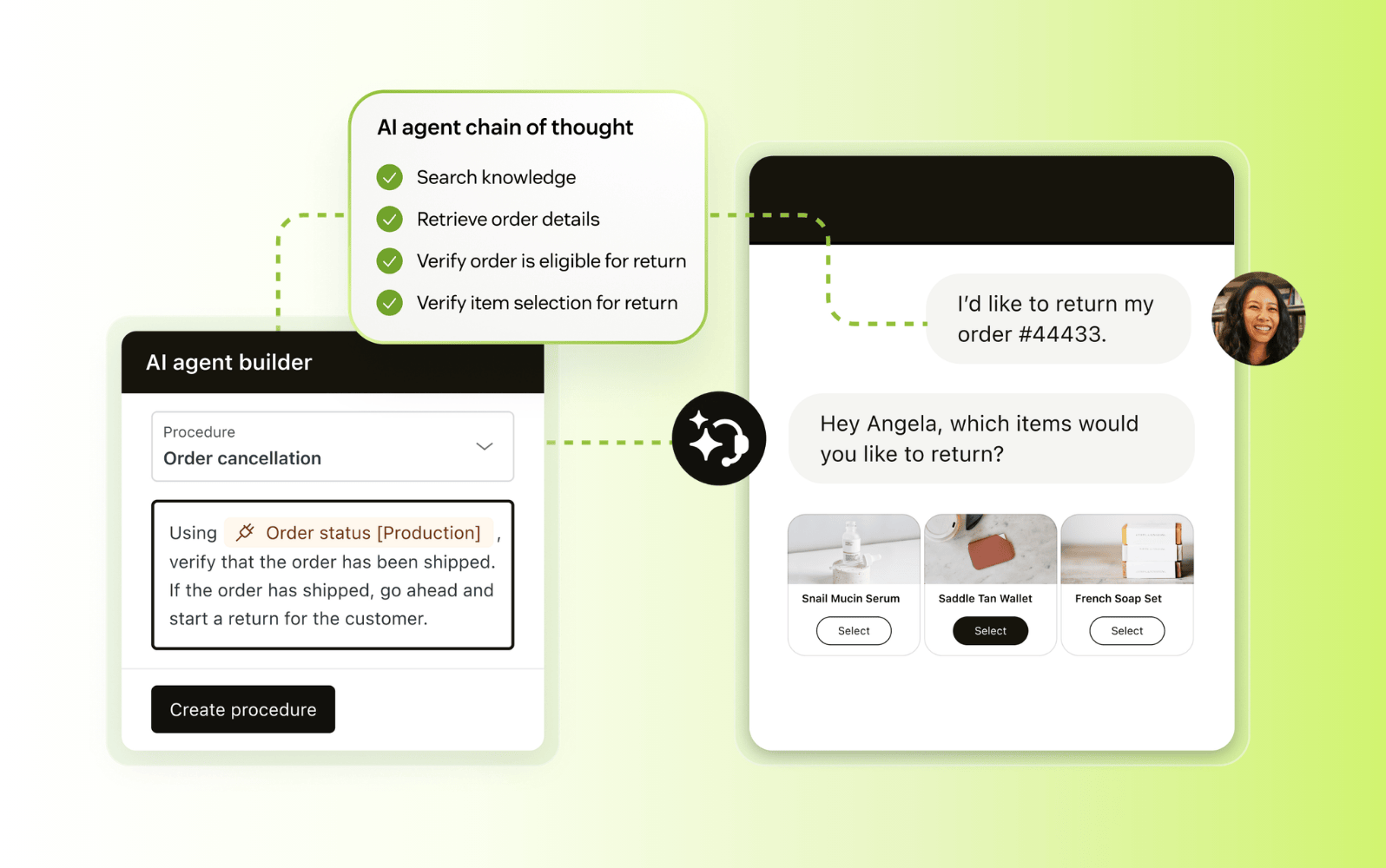
Zendesk AI is built on the Zendesk Resolution Platform, an agentic service platform designed to drive resolution—not deflection. It does this by connecting AI, knowledge, workflows, and data in one system. At the core of this platform are Zendesk AI agents, which don’t just respond. They autonomously resolve requests end to end by taking action across systems. As advanced AI chatbots, they go beyond basic responses by asking follow-up questions, adapting in real time, and following your business rules to complete each task.
Small businesses can get started in just three steps, then scale automation using low-code tools designed for admins—not developers. Meanwhile, ZendeskAI Copilot supports human agents with real-time suggestions, next steps, and automated actions to speed up resolution and improve consistency.
What sets Zendesk apart is how its AI improves over time. AI agents learn from ticketing data, knowledge, and QA insights to continuously help you refine performance and resolution quality. Built-in quality assurance reviews every interaction, helping teams identify gaps and improve accuracy, consistency, and outcomes.
For small businesses, this means faster time to value and scalable growth without added complexity, especially when using help desk software for small businesses that’s designed to unify support. Teams can automate a significant portion of requests while staying in control with governance, fallback logic, and visibility into AI decisions. The result is reliable automation that improves over time and scales with your business.
|
Pros |
Cons |
|
|
What people are saying:
- “The newer AI features and automation tools [have] made handling tickets faster and more efficient. - Verified user, G2 review.
- “The latest evolution of Zendesk’s AI Agents is a total game-changer” - Verified user, G2 review.
- “I love that Zendesk is allowing AI to be accessible to CS folks that are not too technical.” - Verified user, G2 review.
2. Lindy
Best for no-code AI workflow automation
|
Starting price |
Free trial |
Key features |
|
$49.99 per month |
7 days |
|
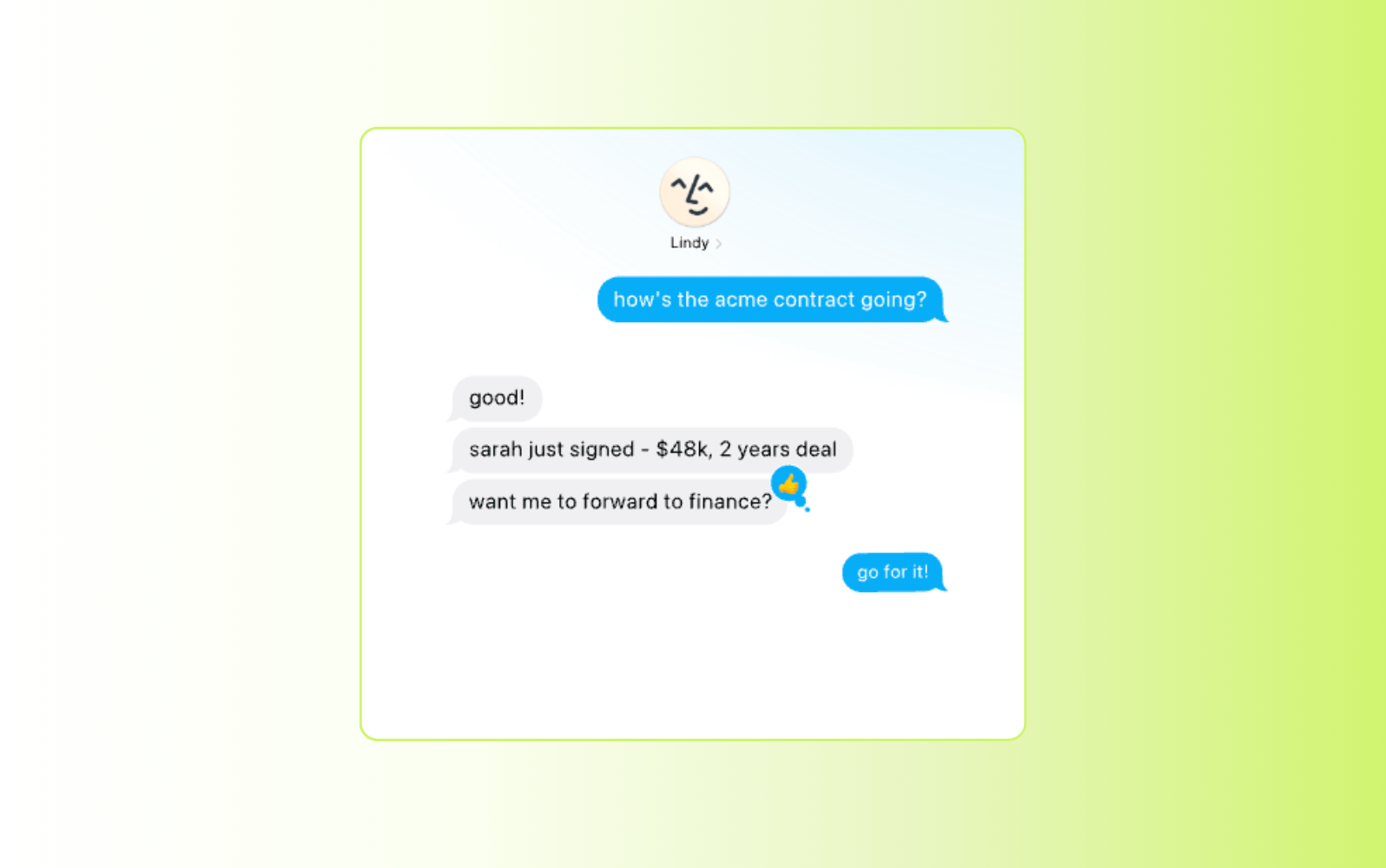
Designed for internal automation, Lindy helps businesses create AI agents that handle repetitive tasks and workflows. It focuses on no-code or low-code setup, allowing users to build agents that can perform actions like sending emails, updating records, or managing internal processes.
The platform supports integrations with common tools and enables multi-step workflows, where AI agents can trigger actions across systems. Lindy is often used for back-office automation, sales workflows, and productivity tasks, rather than full service operations. Its flexibility makes it useful for teams looking to automate internal processes without heavy development work.
|
Pros |
Cons |
|
|
What people are saying:
- “While the tool is fantastic, the learning curve for truly complex flows can be steep at first.” - Verified user, G2 review.
- “The interface is intuitive, and the Lindy Academy resources make it easy to learn how to get the most out of it.” - Verified user, G2 review.
- “The tool also occasionally makes repetitive mistakes, which could be improved.” - Verified user, G2 review.
3. Zapier
Best for no-code app integrations and automation
|
Starting price |
Free trial |
Key features |
|
$19.99 per month (billed annually) |
14 days |
|
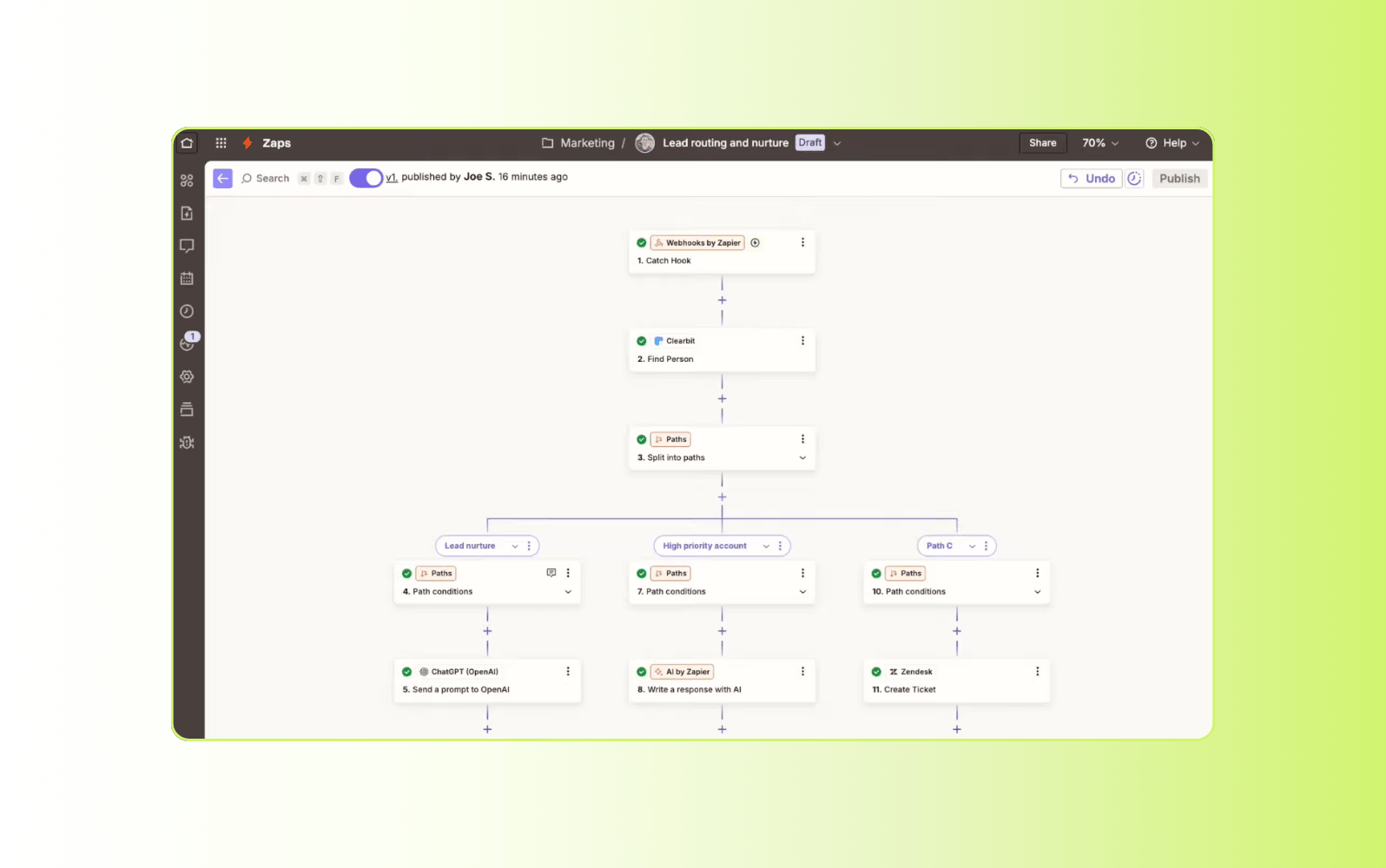
Built as a no-code integration platform, Zapier connects different apps and services to automate workflows. It allows users to create automated processes, called “Zaps,” that trigger actions in one app based on events in another, reducing manual work across tools.
The platform supports thousands of integrations and enables multi-step workflows with conditional logic. Businesses often use Zapier to automate tasks like data syncing, notifications, and lead management. While it excels at connecting systems, it relies on predefined triggers and actions rather than adaptive, goal-based AI.
|
Pros |
Cons |
|
|
What people are saying:
- “The addition of AI-powered steps and chatbot components further extends its capabilities for simple workflow automation” - Verified user, G2 review.
- “Easy Automation, But AI Tools Need Improvement” - Verified user, G2 review.
- “Great integration with Google products” - Verified user, G2 review.
4. Claude (Anthropic)
Best for conversational AI and content generation
|
Starting price |
Free trial |
Key features |
|
$0 per agent (very limited activity) |
Free version available |
|
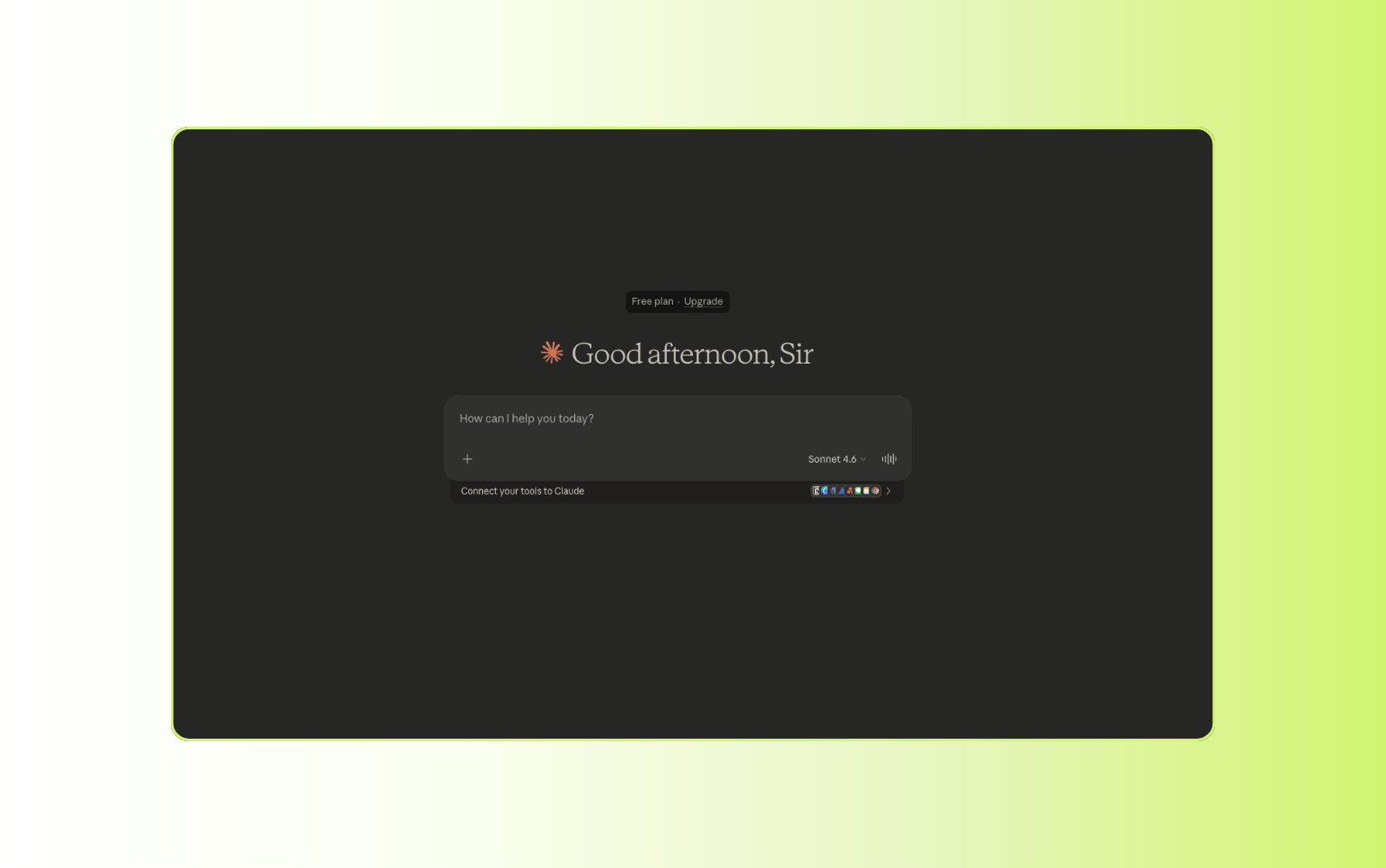
Claude is a large language model developed by Anthropic, designed for conversational AI, content generation, and reasoning tasks. It can be used through chat interfaces or integrated into applications via an API, making it flexible for a wide range of use cases.
It supports long-context inputs and can generate detailed responses, summaries, and analyses across different domains. Businesses often use Claude for writing, research, and internal tools. While it offers strong reasoning capabilities, it does not include built-in workflow automation or system actions, so additional tooling is required to turn outputs into executed tasks.
|
Pros |
Cons |
|
|
What people are saying:
- “Fast Prompt Processing and Rich Artifact Library” - Verified user, G2 review.
- “Claude [...] can sometimes be overly cautious or verbose, which can slow things down” - Verified user, G2 review.
- “Easy to Use AI Assistant with Strong Context Understanding” - Verified user, G2 review.
5. Ada
Best for chatbot-led customer support
|
Starting price |
Free trial |
Key features |
|
Custom pricing |
14 days |
|
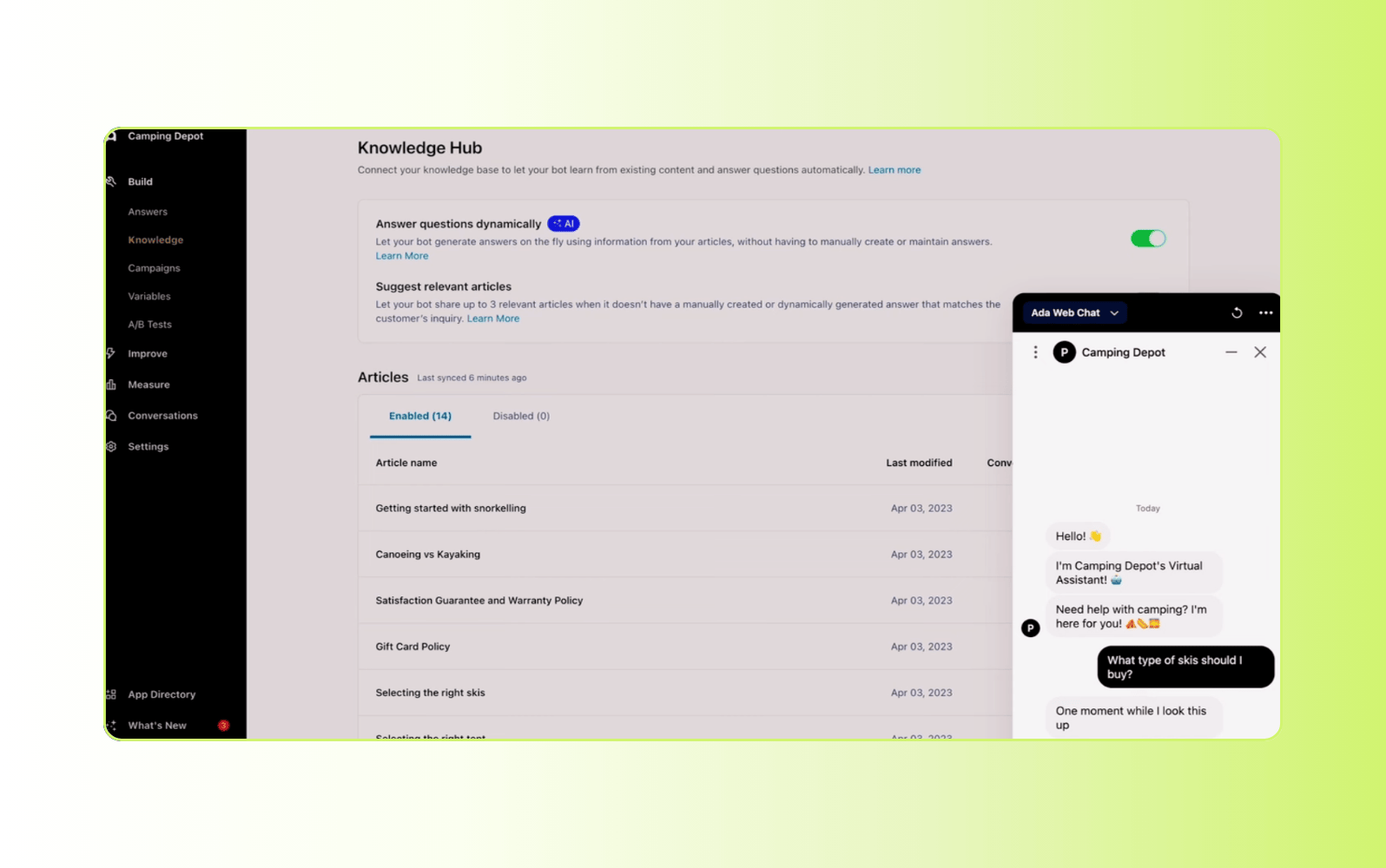
Designed for customer service automation, Ada enables businesses to deploy AI chatbots that handle customer inquiries across digital channels. It focuses on deflecting common support requests and providing instant responses without requiring agent involvement.
The platform offers prebuilt flows, intent recognition, and integrations with support systems to streamline deployment. Teams can customize conversations and automate responses for FAQs and common issues. While Ada supports automation at scale, more complex, multi-step resolutions often require additional configuration or human escalation, with less emphasis on built-in governance and quality controls.
|
Pros |
Cons |
|
|
What people are saying:
- “Decent base product with some technical limitations” - Verified user, G2 review.
- “It can take a while to understand how everything fits together.” - Verified user, G2 review.
- “Ada helped our small support team contain most ‘easy-to-resolve’ customer inquiries” - Verified user, G2 review.
6. Beam AI
Best for AI-powered workflow automation and task execution
|
Starting price |
Free trial |
Key features |
|
Custom pricing |
14 days |
|
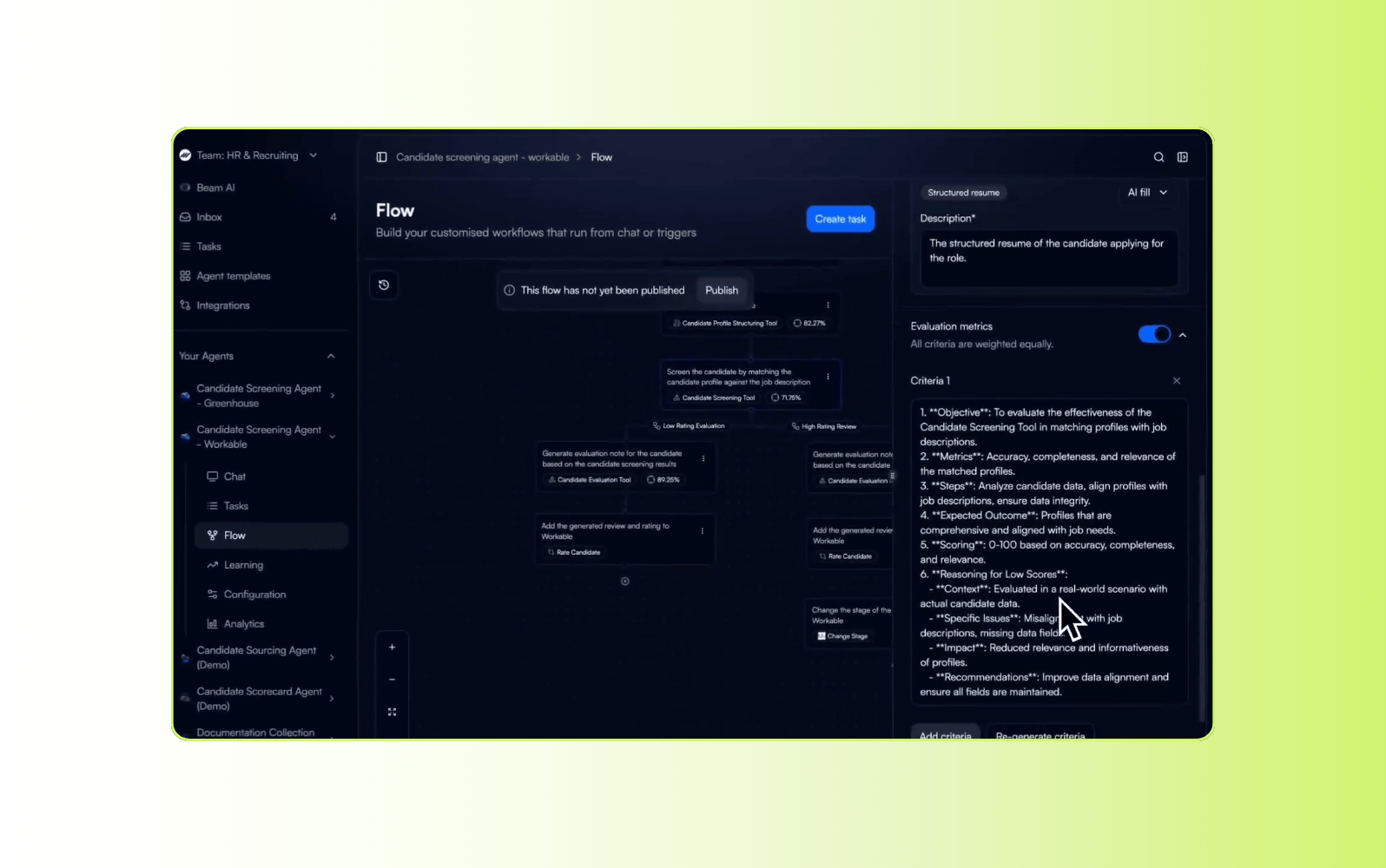
Built for automating business processes, Beam AI enables teams to deploy AI agents that can execute tasks across different systems. It focuses on streamlining operations by connecting tools and allowing AI to carry out predefined workflows.
The platform supports integrations and multi-step task execution, making it useful for operations, finance, and general business workflows. It’s also straightforward to automate repetitive processes and coordinate actions across systems. While Beam AI emphasizes execution, it typically requires setup and defined workflows, with less focus on customer-facing service experiences.
|
Pros |
Cons |
|
|
7. Tidio
Best for small business live chat and chatbot support
|
Starting price |
Free trial |
Key features |
|
$32.50 per agent/month |
7 days |
|
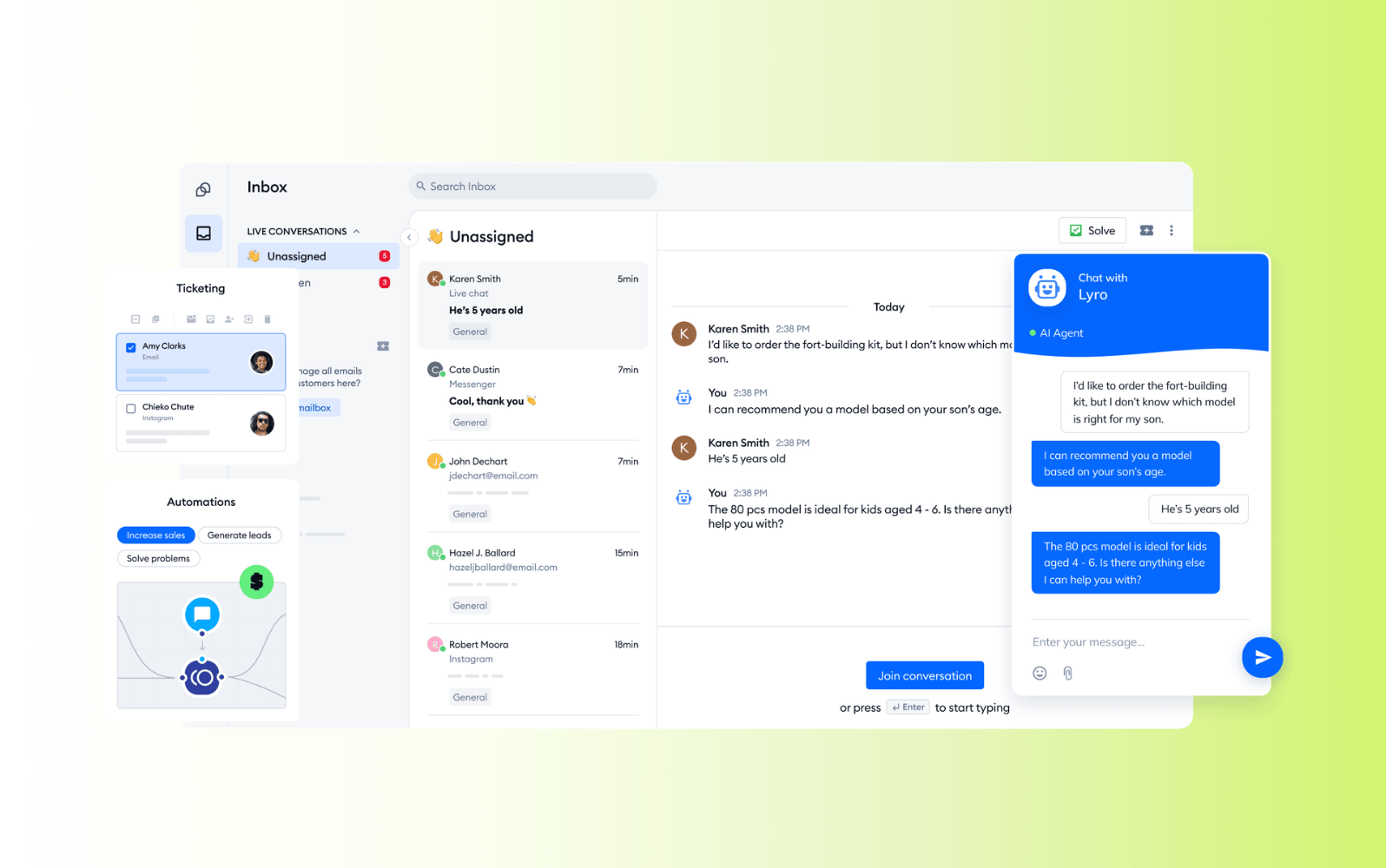
Designed for small business customer communication, Tidio combines live chat with chatbot automation to help teams manage conversations across channels. It also includes Lyro AI, an AI assistant that can answer customer questions and automate simple interactions in real time. It’s commonly used by ecommerce and SMB teams to handle website inquiries and provide instant support.
The platform includes prebuilt chatbot templates, Lyro AI automation, and integrations with tools like Shopify and email platforms. Teams can automate responses to common questions and manage chats in a shared inbox. While easy to set up and use, Tidio is primarily focused on chat-based support and simpler automation use cases.
|
Pros |
Cons |
|
|
What people are saying:
- “While the AI features are excellent, the conversation limit on lower-tier plans can feel a bit restrictive” - Verified user, G2 review.
- “The AI chatbot needs some work for sure. So far it's very basic.” - Verified user, G2 review.
- “Keeps Messages Clear and Professional When Typing Fast” - Verified user, G2 review.
8. Creatio
Best for low-code CRM and workflow automation
|
Starting price |
Free trial |
Key features |
|
$25 per agent/month |
14 days |
|
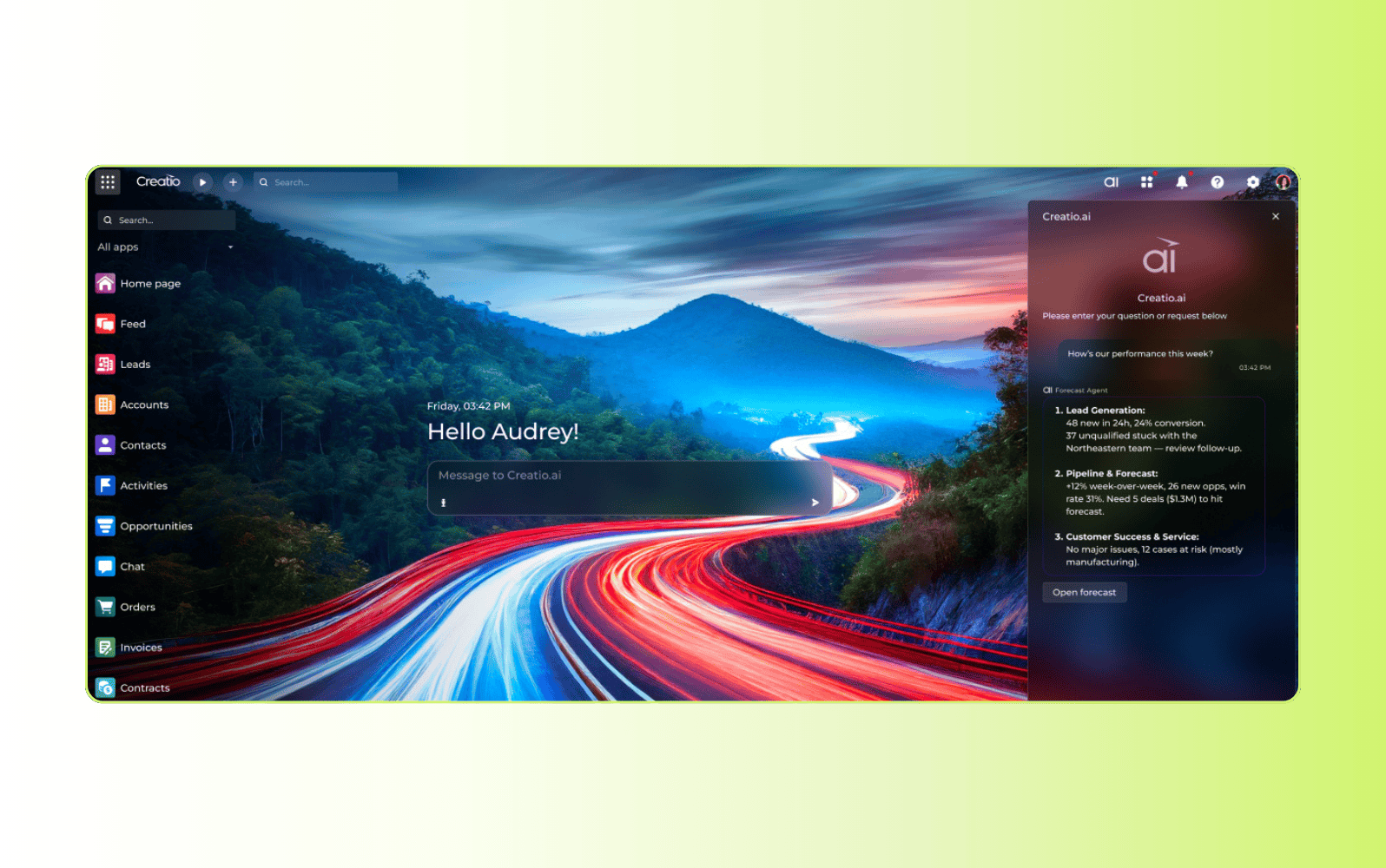
Built as a low-code platform, Creatio combines CRM capabilities with workflow and process automation. It enables businesses to design and manage customer journeys, sales processes, and internal operations without heavy coding.
The platform includes visual workflow builders, AI-assisted automation, and integrations with business systems. Teams can automate processes across sales, marketing, and service functions while maintaining flexibility. While powerful, Creatio is typically suited for more complex implementations and may require time and expertise to fully configure.
|
Pros |
Cons |
|
|
What people are saying:
- “You do not need to be a programmer to use it and it streamlines our work.” - Verified user, G2 review.
- “Simple and intuitive CRM for business processing” - Verified user, G2 review.
- “I appreciate less that the advanced setup can be quite technical” - Verified user, G2 review.
9. Moveworks
Best for automating internal employee support workflows
|
Starting price |
Free trial |
Key features |
|
Custom pricing |
30 days |
|
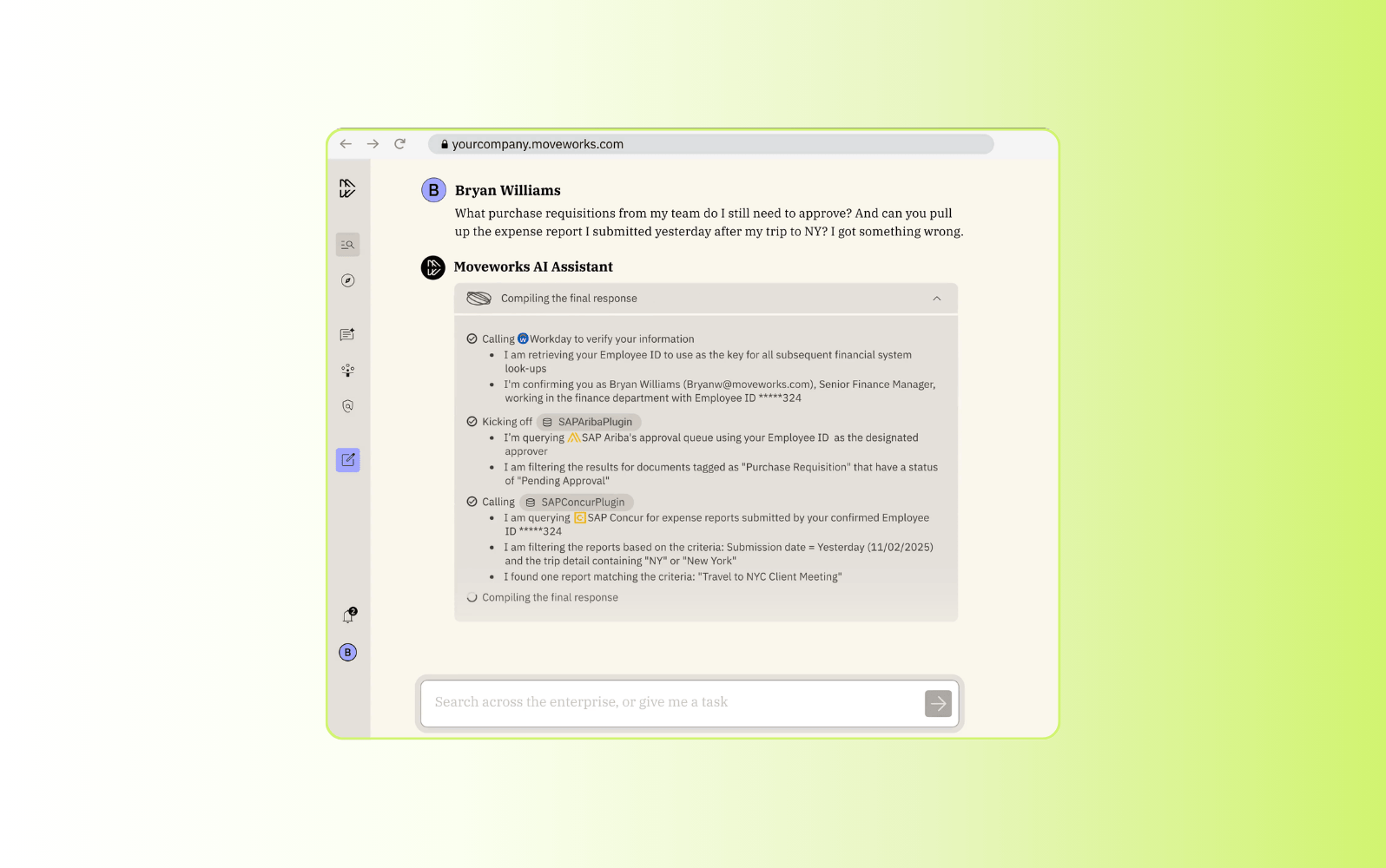
Focused on internal operations, Moveworks provides an AI-powered assistant that helps employees resolve IT and HR requests through conversational interfaces. It’s commonly used by large organizations to automate internal support and reduce ticket volume.
The platform integrates with enterprise systems and uses natural language understanding to interpret employee requests and trigger actions. It can handle tasks like password resets, access requests, and policy questions. While effective for internal service automation, Moveworks is primarily designed for enterprise environments and may be less accessible for smaller teams.
|
Pros |
Cons |
|
|
What people are saying:
- “I primarily use Moveworks for quick IT assistance at work, like resetting passwords and gaining access” - Verified user, G2 review.
- “Implementing and integrating Moveworks with existing systems is not simple” - Verified user, G2 review.
- “Moveworks made our organizations adoption of AI achievable in a short period of time” - Verified user, G2 review.
How to choose the best agentic AI solution for your small business
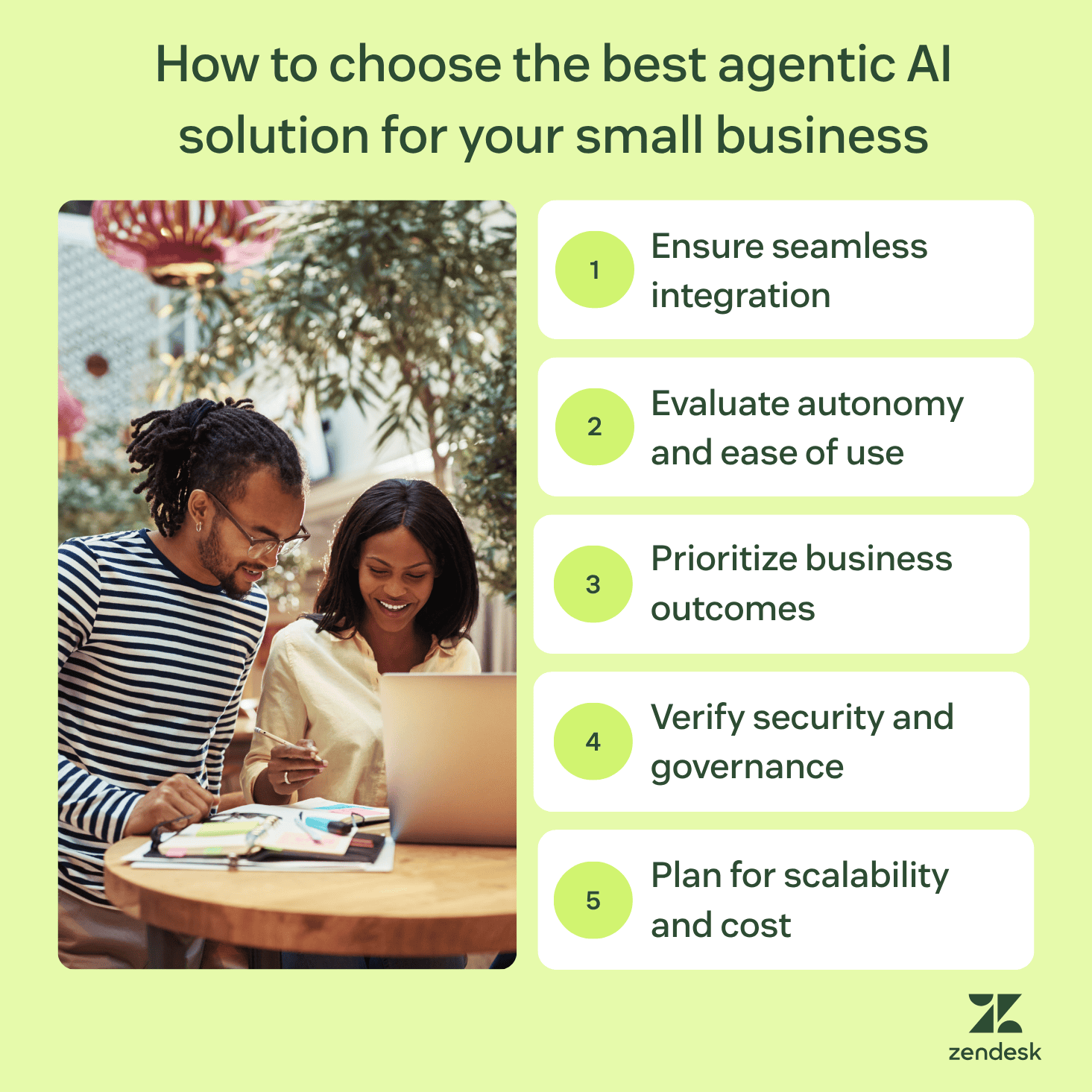
Choosing the right agentic AI solution means finding one that fits your workflows and delivers value quickly. For small businesses, the focus should be on ease of use, fast deployment, and scalable impact. Here’s what to look for when evaluating your options.
Ensure seamless integration and fast time-to-value
Choose a platform that integrates seamlessly with your existing tools, from CRM and support systems to ecommerce and marketing platforms. Fast deployment is critical; look for solutions that deliver measurable results in weeks, not months.
It’s also important to avoid stitching together multiple tools to achieve full functionality. Platforms that combine AI, workflows, knowledge, and service capabilities in one place reduce complexity and speed up time to value.
Evaluate true autonomy, adaptability, and ease of use
Look for a solution that can plan and execute multi-step tasks, not just respond to prompts. True agentic AI should adapt in real time, ask follow-up questions, and operate within clear guardrails to complete workflows end to end.
At the same time, it should remain easy to manage. Choose a platform your team can configure and scale without heavy technical resources or ongoing manual intervention.
Start with clear business outcomes, not features
Start by defining the outcomes you want to achieve, such as reducing response times, increasing automation, or scaling support without adding headcount. Focus on the workflows and bottlenecks that are slowing your team down today. The right solution should align directly with these goals and show measurable impact, rather than just offering advanced features.
Verify governance, security, and compliance readiness
Choose a platform with built-in governance and transparency. Look for features like permissions management, audit logs, and clear visibility into how AI makes decisions. Strong security and compliance standards help protect your data and ensure your AI operates reliably within your business requirements.
Plan for scalable growth and total cost efficiency
Evaluate the total cost of ownership, not just the upfront price. Consider how the platform scales as your business grows, including automation coverage, operational efficiency, and maintenance needs. The best solutions expand capabilities without adding complexity or requiring additional headcount.
Frequently asked questions
Lead the next era of service with Zendesk agentic AI
Lead the next era of CX with a platform built for resolution—not just responses. With an agentic AI-powered platform, Zendesk AI agents help you scale automation and unify your entire support experience—while keeping you in control.
With built-in governance and real-time insights, Zendesk AI helps you scale without added complexity. Test Zendesk AI with a controlled pilot or free trial to see results in your own environment.
Candace Marshall
Vice President, Product Marketing, AI and Automation
Candace Marshall is a seasoned product marketing leader with a passion for solving complex problems and driving innovation in fast-paced environments. Her career began in operations and research, but her love for understanding customers and translating insights into impactful strategies led her to product marketing. Currently, Candace leads product marketing for Zendesk AI including AI agents and Copilot, driving growth across AI-powered solutions and the core service offerings. Her team delivers end-to-end product marketing strategies, from market validation and messaging to go-to-market execution and customer adoption. Before joining Zendesk, Candace spent nearly a decade at LinkedIn, where she built and led the product marketing team for the rapidly scaling Marketing Solutions division, overseeing key advertising products in the multi-billion-dollar business.
Related guides on agentic AI solutions
Explore additional insights, practical guides, and expert perspectives on implementing agentic AI to power proactive, self-operating support experiences.